

Stay Safe, Stay Moving This Winter Season
Winter season presents the most challenging scenarios for any vehicle. The harsh sub-zero temperatures, icy roads and reduced grip all place added strain on critical components. Many winter breakdowns and accidents are not caused by driving errors, but by parts nearing the end of their service life. In November 2024, winter breakdowns saw an increase of 22% in the past five years. Tyre issues were cited as the top reason at 19.1% and loss of power at 7.9%. Read more here
Your car’s engine has a much harder time in the winter. Cold starts often thicken fluids, the battery weakens, harden rubber components and increase resistance across belt-driven systems, exposing weaknesses that may go unnoticed. At GT Automotive, we provide OE-spec parts that are made to function in any circumstance (even in icy conditions!). Here’s how appropriate components and being prepared can keep you safe this winter season.
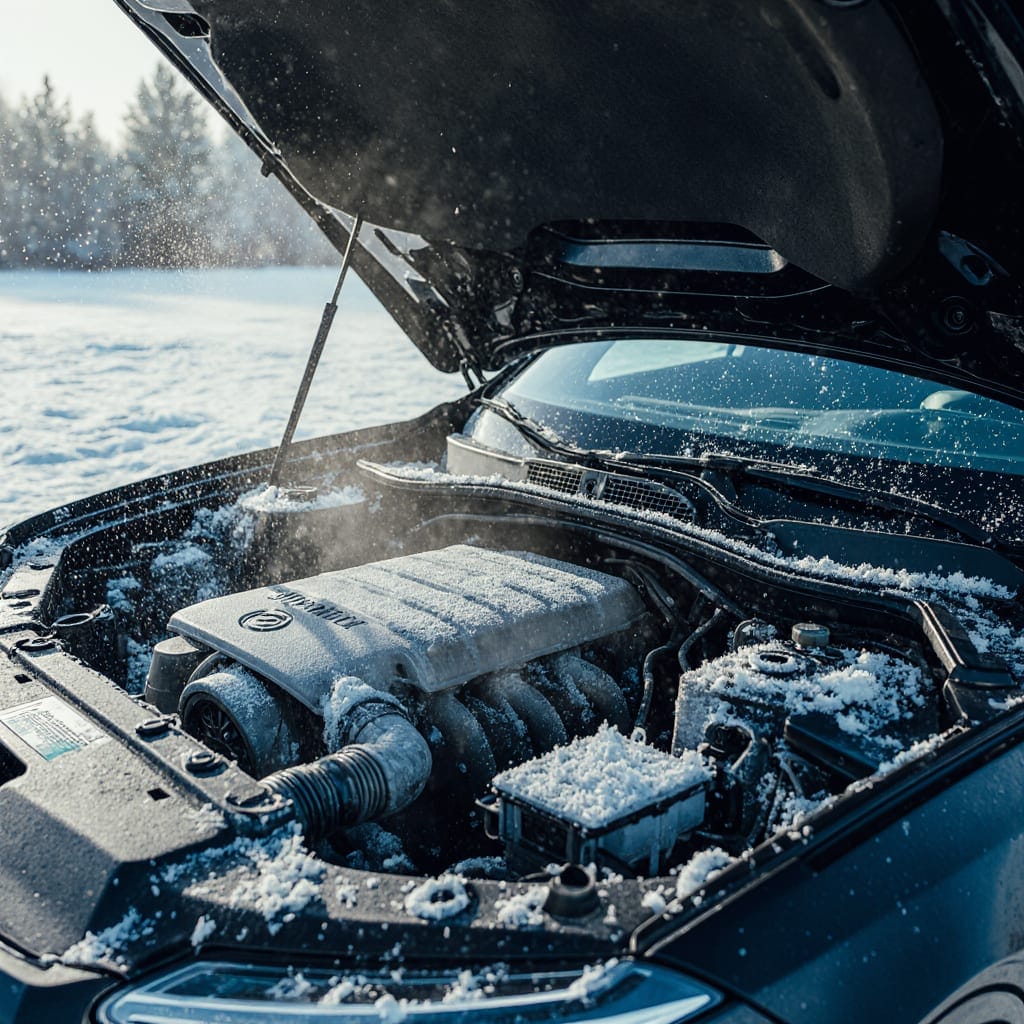
What must you be aware of?
Before setting off in winter conditions, always consider whether the journey is essential. Icy roads drastically increase braking distance and reduce tyre grip. The winter highlights weaknesses in: Auxiliary belt systems, tensioners and idler pulleys, cooling system components, battery and charging systems. Cold temperatures accelerate wear in bearings and rubber components. A marginal pulley or tensioner can fail without warning if not properly maintained.
Driving on ice requires smooth acceleration, braking and steering. Your vehicle can only respond as well as its components allow. Worn pulleys or misaligned belt systems can cause: Belt slips during cold starts, increased drag, premature belt failure.
Braking distance isn’t about just tyres. While tyres do play a huge role, braking performance is also affected by: ABS sensor accuracy, wheel bearing condition, suspension and steering components. Cold weather exposes play and wear in components that may go unnoticed.
Black ice offers little to no warning, and when grip fails, stability systems rely on inputs and mechanical integrity to manage wheelspin. Reliable signals, stable belt-driven systems and consistent engine operation contribute to how well vehicles manage sudden loss of traction on ice.
Many roadside failures are avoidable. Proactive replacement of worn-down components are essential to keeping you and your vehicle safe.